
Catan: From First Trade to Victory
Learn how to build settlements, trade resources, and outmaneuver opponents in this classic strategy game. Perfect for your first play.
Read Guide →Clear guides for learning and improving
Step-by-step guides to learn board games.
Explore Guides
Our step-by-step approach
Learning a new game doesn't have to feel overwhelming. We've developed a proven framework that takes the intimidation out of complex rules and helps you grasp mechanics quickly. Follow these phases and you'll be playing confidently in no time.
Understand the board, components, and initial player positions. We walk you through each element so nothing surprises you when you open the box.
Master the fundamental actions players can take each turn. These form the backbone of gameplay and everything else builds from here.
Discover how different mechanics interact with each other. This is where the game's depth emerges and strategy begins to matter.
Sit down with our guide at hand and play through a complete game. We highlight common questions and gotchas to watch for.
After your first game, dive into strategy guides and advanced tactics. Learn what experienced players do differently.
Explore expansions, difficulty modes, and house rules. Extend your enjoyment and keep the game fresh across multiple plays.
Showcase content, drive engagement, demonstrate guide quality
Learn how to build settlements, trade resources, and outmaneuver opponents in this classic strategy game. Perfect for your first play.
Read Guide →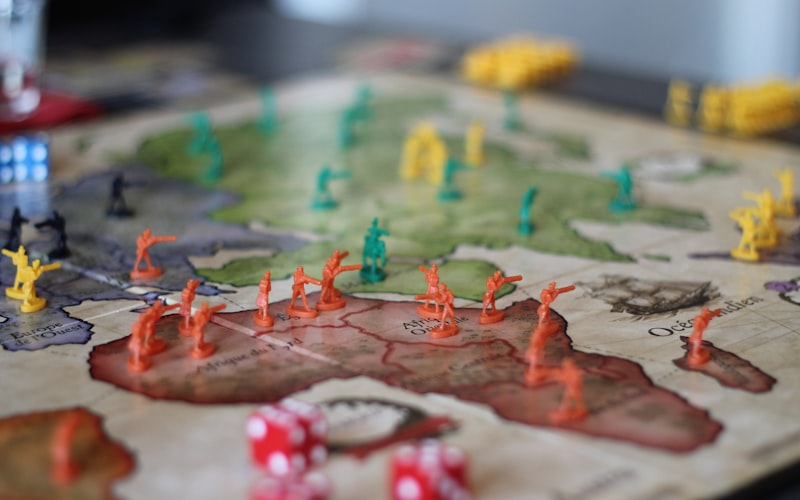
Understand card collection, route claiming, and how to block opponents while securing your own paths across the map.
Read Guide →
Master the art of teamwork, role synergy, and crisis management. Learn how to communicate effectively and make tough decisions together.
Read Guide →
Discover how to build an efficient gem-trading engine and leverage purchased cards to accelerate your path to victory.
Read Guide →
Learn the core principles of deck-building: card synergy, hand management, and how to transition from early game to late-game power.
Read Guide →
Master the intricacies of worker placement, farm development, and long-term planning in this heavyweight strategy classic.
Read Guide →Play smarter from game one

Many new players focus only on immediate turns and miss the bigger picture. Always look ahead to how the game ends and plan your mid-game moves accordingly.
Watch what other players are collecting, building, or pursuing. This tells you their strategy and helps you block threats or capitalize on their weaknesses.
Spreading yourself too thin in the opening turns often leads to a weak position by mid-game. Focus on a coherent strategy rather than trying everything at once.
In deck-building and hand-management games, every card you play or discard has a cost. Learn to count resources and plan your hand for maximum efficiency.
Each game has distinct phases (early, mid, late). Strategies that work early often fail late. Adapt your approach as the game evolves.
In team-based games, clear communication about your plans and constraints is essential. Share information without giving away your exact moves.
Avoiding risk entirely often means missing opportunities. Balance caution with calculated aggression to stay competitive.
Understanding probability, expected values, and odds helps you make better decisions. Know when a risk is worth taking and when it's not.